

Introduction
The word count of the Bible is something many people search for out of curiosity, academic interest, or religious study. Since the Bible is one of the most widely read and influential books in human history, it is natural for readers to wonder how large it actually is in terms of words and structure.
However, it is important to understand that the Bible is not a single book written by one author. Instead, it is a collection of different books, letters, poems, and historical accounts written by multiple authors over thousands of years. Because of this unique structure, measuring it by word count is not as straightforward as it may seem.
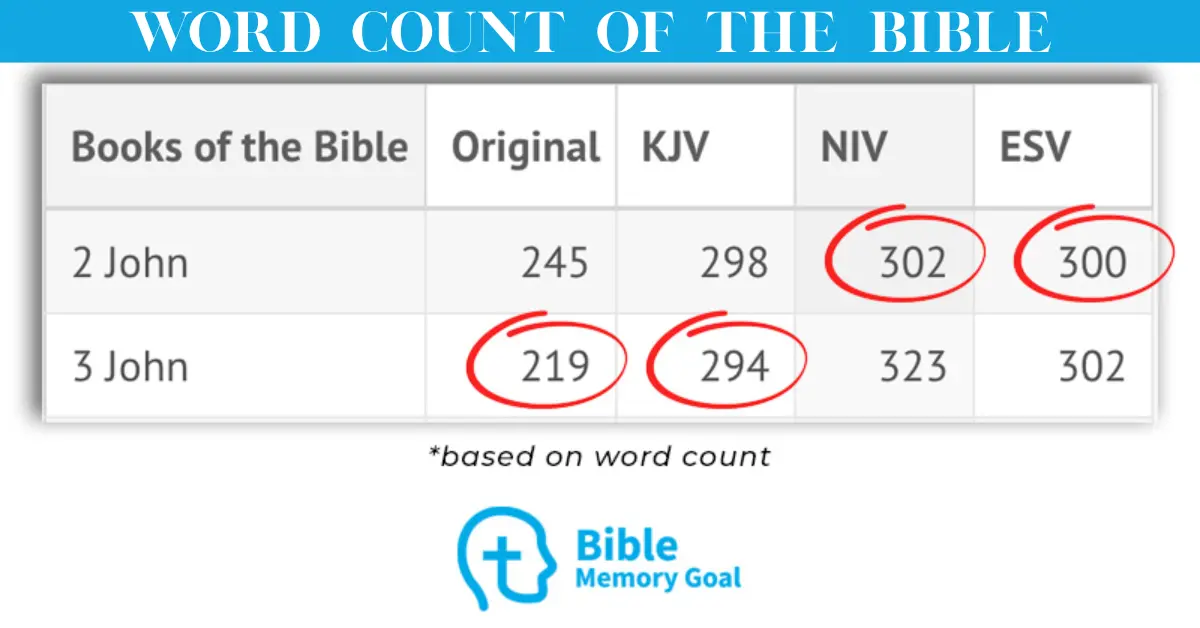
Another important factor is translation. The Bible was originally written in Hebrew, Aramaic, and Greek, and it has been translated into hundreds of languages. Each translation can vary in wording, sentence structure, and style, which directly affects the total word count of the Bible. This is why different versions may show slightly different totals even though the core message remains the same.
What Is the Word Count of the Bible
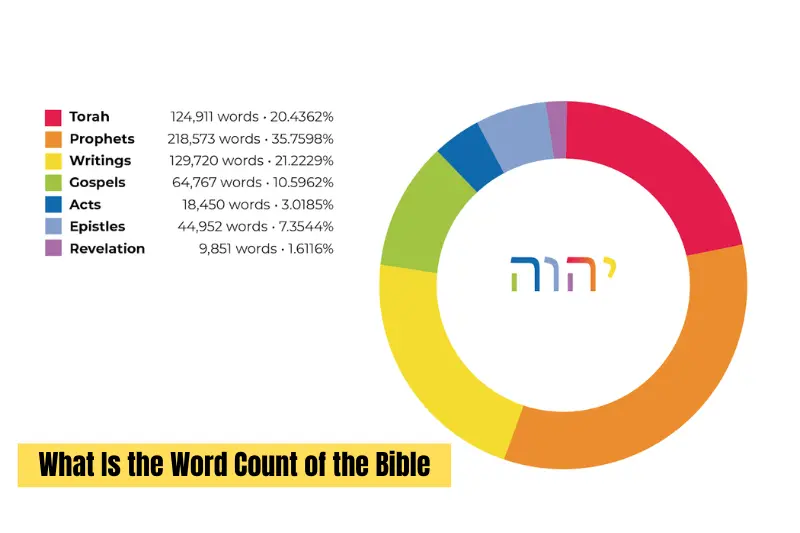
When people ask about the word count of the Bible, they are usually looking for a single fixed number. In reality, there is no exact universal figure because the total depends on the translation being used.
On average, most English versions of the Bible contain roughly between 750,000 to 1,000,000 words. For example, the King James Version is often estimated at around 783,000 words, while some modern translations like the New International Version may differ slightly due to updated language and sentence structure.
The variation happens because each translation team makes different choices in wording while trying to stay faithful to the original Hebrew, Aramaic, and Greek texts. Even small differences in phrasing can change the total word count significantly over such a large collection of writings.
Despite these differences, all versions of the Bible share the same core message and structure. The word count mainly helps readers understand the scale and depth of the text rather than changing its meaning.
Why the Word Count of the Bible Varies
The word count of the Bible is not a fixed number mainly because of how complex its origin and translation process is. The Bible was originally written in ancient languages including Hebrew, Aramaic, and Greek. When these texts are translated into English or other modern languages, variations naturally appear.
One major reason for differences is translation style. Some versions aim for a word for word translation, while others focus on meaning based translation. This means that one version may use more words to explain a concept clearly, while another may use fewer words but still convey the same idea.
Another factor is the inclusion of certain books. Some Christian traditions include additional texts known as the Apocrypha, while others do not. This also changes the overall total words in the Bible depending on the version being studied.
Even small differences in sentence structure, grammar, and vocabulary choices can add up when dealing with such a large collection of books. That is why the Bible word count can vary across different translations, even though the core message remains consistent.
Word Count by Popular Bible Versions
The word count of the Bible can be better understood by looking at some of the most widely used English translations. Each version has slight differences due to translation style, vocabulary choices, and textual decisions.
The King James Version is often cited as having around 783,000 words. It is one of the oldest and most traditional English translations, known for its formal and poetic language. Because of its style, it tends to use longer and more structured phrasing.
The New International Version, which is a more modern translation, has a slightly different total word count. It is designed for easier reading and uses simpler language, which can increase or decrease the number of words in certain passages compared to older versions.
Other translations such as the English Standard Version or New Living Translation also vary in their totals. These differences are not due to changes in meaning but rather how translators choose to express the original Hebrew, Aramaic, and Greek texts in modern English.
Overall, while the exact Bible word count changes depending on the version, all major translations aim to preserve the original message and teachings as accurately as possible.
How the Bible Was Compiled
To understand the word count of the Bible, it also helps to know how the Bible itself came into existence. The Bible was not written all at once or by a single author. Instead, it is a carefully preserved collection of texts written over a long period of time, roughly more than a thousand years.
These writings include history, law, poetry, prophecy, letters, and teachings. They were written by many different authors across different regions and time periods. Over time, religious leaders and scholars reviewed these texts and selected those considered authoritative and consistent with spiritual teachings.
This process of compilation played an important role in shaping the structure of the Bible as we know it today. The texts were organized into two main sections: the Old Testament and the New Testament. Each section contains multiple books, and together they form the complete Bible.
Because of this long historical development and careful selection process, the Bible is not just a single continuous narrative. It is a collection of diverse writings that were brought together, preserved, and passed down through generations, which also contributes to why its total word count can vary depending on the version being studied.
Interesting Facts About the Bible Length
The word count of the Bible becomes even more interesting when you look beyond numbers and explore its overall scale and history. The Bible is widely considered one of the longest and most influential written works ever compiled, not just because of its length but because of its depth and diversity.
One fascinating fact is that the Bible was written over a span of more than a thousand years by multiple authors from very different backgrounds. These include shepherds, kings, prophets, and scholars, all contributing to what eventually became a unified collection of texts.
Another important point is that the Bible contains a wide variety of writing styles. It includes historical accounts, laws, poetry, wisdom literature, prophecies, and letters. This variety also influences how long the text appears and how it is structured across different translations.
It is also interesting to note that the Bible has been translated into thousands of languages, making it one of the most widely translated books in the world. Each translation adds small variations in wording, which is another reason why the Bible length in words can differ slightly depending on the version.
Despite its size, many readers find that the Bible is not just about length but about meaning, context, and interpretation, which is why it continues to be studied across cultures and generations.
Why People Search for the Word Count of the Bible
People often look up the word count of the Bible for several different reasons, and most of them are related to curiosity, study, or comparison. Since the Bible is one of the most widely read books in the world, it is natural for readers to want a clearer idea of its size in measurable terms.
For students and researchers, the total word count helps in understanding the scale of the text. It gives a sense of how extensive the writings are, especially when comparing the Bible to other religious or historical works. This is often part of academic or literary analysis.
For religious readers, the interest may come from a desire to better understand the structure of the Bible. Knowing how large the text is can help in planning reading schedules or study routines, especially for those reading it in a structured way over time.
There is also general curiosity. Many people simply want to know whether the Bible is the longest book in the world or how it compares in size to other major texts. This is where terms like total words in the Bible, Bible length in words, and how many words are in the Bible are commonly searched online.
Overall, the interest in the word count is less about numbers alone and more about understanding the Bible’s scale, complexity, and significance as a historical and spiritual text.
Frequently Asked Questions
What is the exact word count of the Bible
There is no single exact number for the word count of the Bible because it depends on the translation. Most English versions fall roughly between 750,000 and 1,000,000 words, depending on wording and structure choices made by translators.
Which Bible version has the most words
Older translations such as the King James Version tend to have a higher word count because they use more formal and expanded language. Modern translations may use fewer or more simplified words, which slightly changes the total.
Is the Bible the longest book in the world
The Bible is one of the longest and most widely studied books in the world, but whether it is the longest depends on how “book” is defined. Some technical and reference works may exceed it in word count, but the Bible remains unique in structure and influence.
How many chapters are in the Bible
The Bible contains 1,189 chapters in total, divided between the Old Testament and the New Testament. This structure is consistent across most major Christian traditions.
Why does the word count change in different versions
The word count changes because of translation differences, language style, and whether certain books or passages are included. Even small wording changes can affect the total across such a large collection of texts.
Conclusion
The word count of the Bible is not a single fixed figure, but it generally falls within a broad range depending on the translation and textual choices. Most English versions contain roughly hundreds of thousands of words, reflecting the Bible’s vast and layered structure.
What makes the Bible unique is not only its size but also its composition. It is a collection of books written over many centuries by different authors, covering history, poetry, prophecy, teachings, and letters. Because of this diversity, variations in translation naturally lead to differences in total word counts.
Instead of focusing only on exact numbers, it is more meaningful to understand the Bible as a deeply influential text shaped by history, language, and interpretation. Its length simply highlights the richness and depth of its content, which continues to be studied and explored across generations.
